
Generic AI is fast, but it is also vague. It drafts fine copy, fine scopes, and fine reports that still need hours of cleanup because it does not know your agency, your clients, or what has already been agreed.
Better prompts help a little. Better context fixes it. That is what RAG does.
The context problem
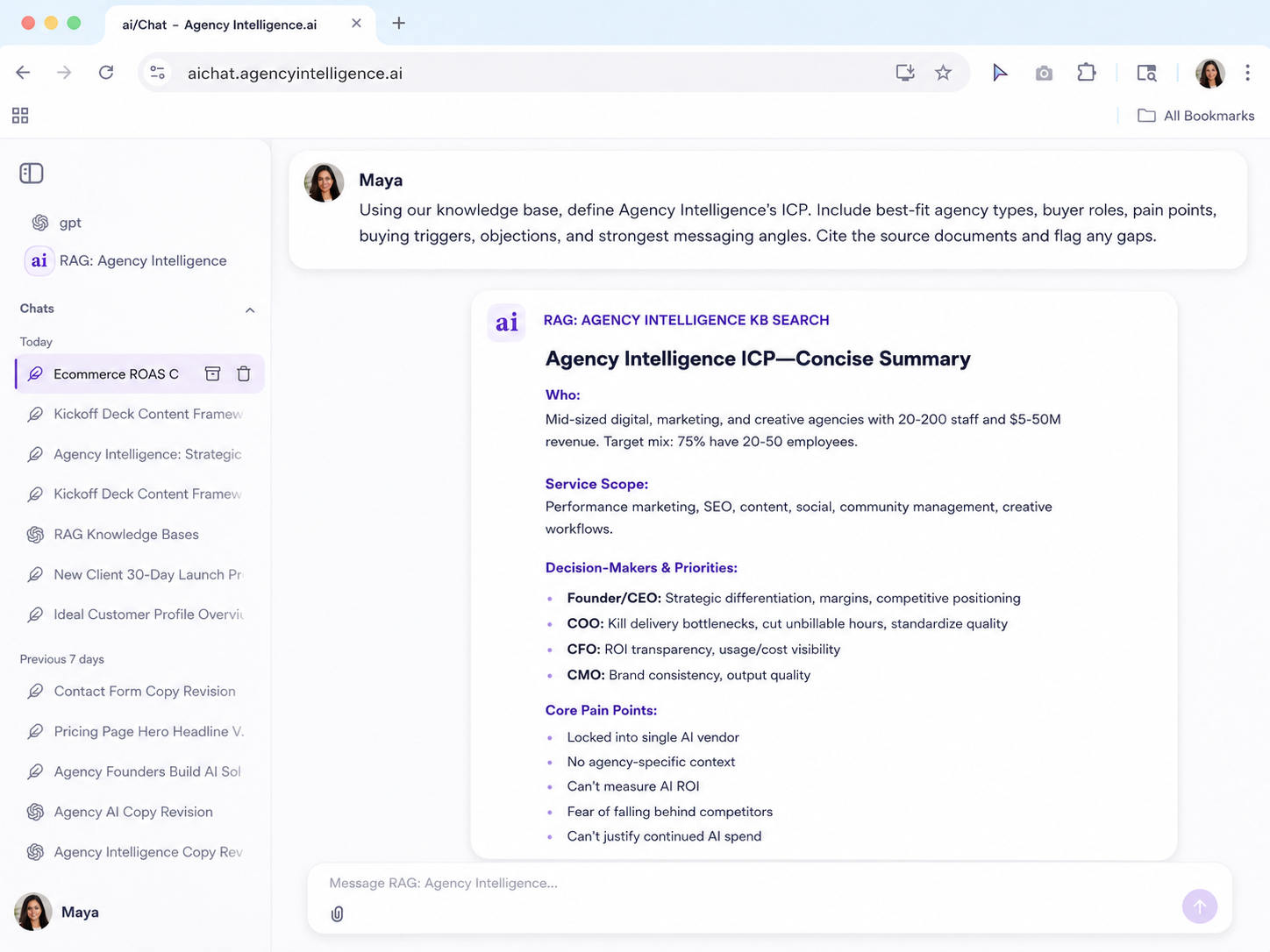
AI is the writer. RAG, or Retrieval-Augmented Generation, is the layer that tells it what to write from.
When your team asks a question, RAG pulls the most relevant excerpts from your indexed documents and supplies them to the model at that moment. The model drafts from those sources instead of guessing. Update a file and the context updates immediately.
Without that layer, even a capable model has nothing real to work from. It sounds generic because it is.
What goes into it
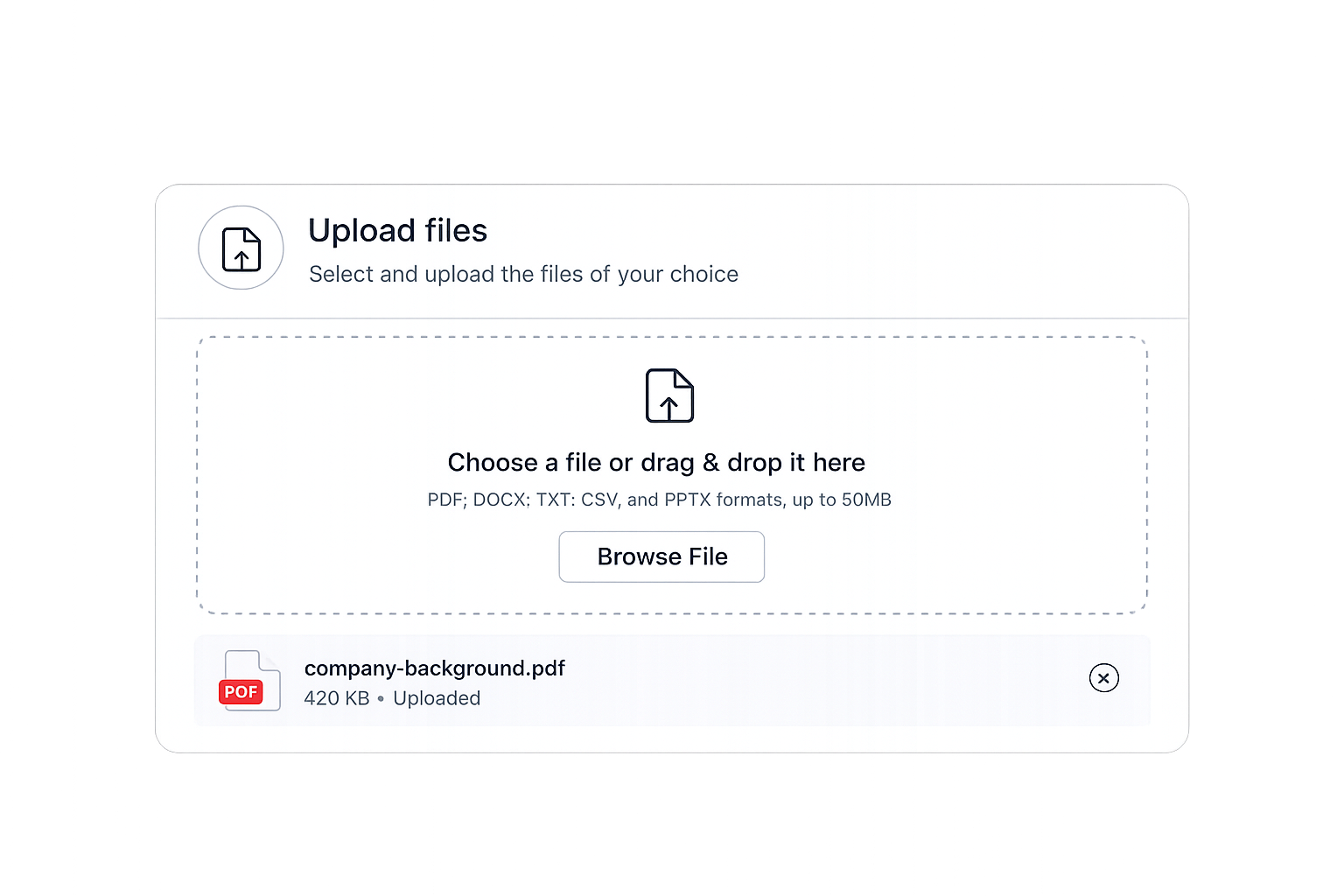
Most agencies already have the right material. It is just scattered across folders, docs, inboxes, and tools.
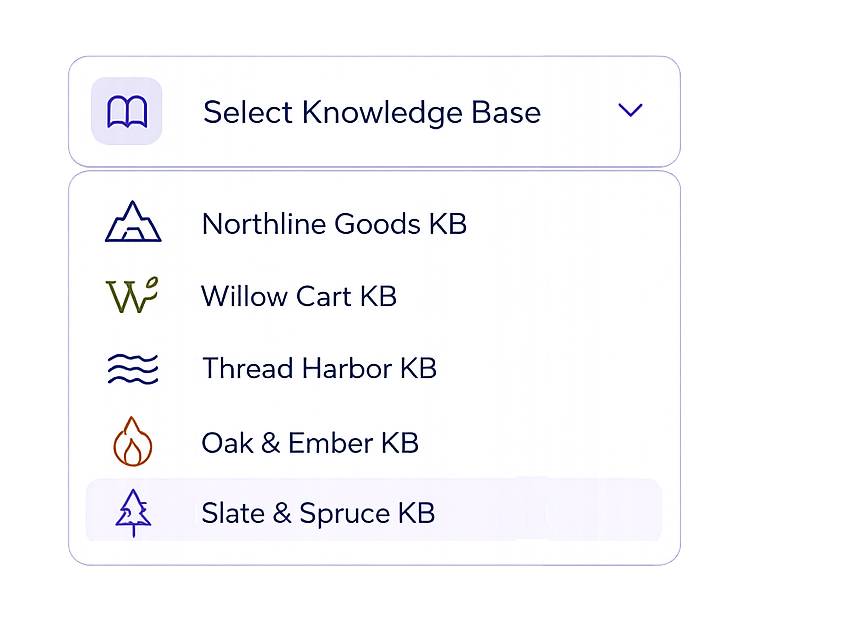
Brand guidelines, SOW templates, past proposals, campaign briefs, performance exports, and meeting notes all belong in a structured knowledge base. An agency-level base holds your standards, templates, and past work. Each client gets a separate base with their brand docs, history, constraints, and performance data.
Once it is indexed, your team accesses the same approved content automatically. Add a file and it is available immediately. Update it and the stale version is gone. The knowledge base gets more useful as your team adds to it, and the agency controls what the model is allowed to retrieve at any point.
Where it changes the work
Scoping and quoting
A strategist needs to scope a new campaign. Instead of digging through old proposals, they pull from similar past projects in the knowledge base. The model surfaces relevant hours, change orders, and notes on where past projects went sideways. The draft scope and estimate are grounded in real history, not gut feel. The quote is faster to build and easier to defend when the project expands.
Client updates
An account manager needs a weekly update across three active clients. They pull current task status and ask what changed and what needs client input. The model drafts a client-ready update grounded in meeting notes, approvals, and prior commitments. The manager reviews, adjusts the tone, and sends. Thirty minutes instead of an hour spent pulling from tickets, docs, and threads.
Creative work
A copywriter is building ad variations for a client. RAG surfaces the brand voice rules, approved product language, and past examples of what has performed well. The model drafts from that material. The output starts closer to usable because it matches the client's real tone and constraints, not a generic interpretation of the brief.
Reporting and QBR prep
A strategist is building a QBR deck. RAG pulls kickoff goals, prior QBRs, campaign notes, and performance exports. The model connects the work to outcomes and drafts next-quarter priorities. The strategist pressure-tests the recommendations and tailors the narrative to the client. A first draft that used to take three hours takes thirty minutes.
Your agency stays in control
The pattern is the same across every use case. RAG supplies the context. AI drafts from it. Humans make the calls that matter.
Strategy and pricing stay human. Client-facing claims require review before anything goes out. The model can surface edge cases and flag gaps from past work, but a senior lead decides what to act on.
The agency decides what gets indexed, what is current, and what counts as approved context. Everyone works from the same material, not their own scattered version of it.
The agencies getting the most from AI are not just prompting better. They are giving AI better context to work from.
RAG is what turns scattered files into a shared layer your whole team can actually use. If you want to see how this works in practice, ai/Chat is built around a shared knowledge layer that feeds every response automatically.
Stop getting generic output from AI
See how agencies use knowledge bases to produce accurate, on-brand work across every deliverable.